
Our Team
Chief Investigators
Melissa Baysari
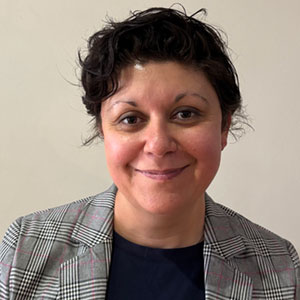
Melissa Baysari is a Professor of Human Factors, a Certified Professional Ergonomist, and highly experienced in the design, implementation and evaluation of health technologies in practice.
Her research comprises both quantitative and qualitative methodologies to understand how healthcare work is done to determine the impact of technology on work processes and patient outcomes, and to identify areas where redesign of technology and associated processes is necessary. Professor Baysari also uses mixed methods to identify and minimise unintended consequences of health technologies on patients, workers and organisations. She has published widely, primarily in the areas of clinical decision support, patient safety, and electronic medical records. Her research has had a significant impact on policy and practice, with a number of health organisations using the research to assess, design and redesign digital health systems. Professor Baysari has many ongoing collaborations with government, industry and health services.
Robyn Clay-Williams

Professor Robyn Clay-Williams leads a research program at the Australian Institute of Health Innovation, Macquarie University, in the field of human factors in healthcare.
Over a career spanning 40 years in aviation and healthcare, she has worked extensively to develop and evaluate systems to make them fit for purpose and easier to use. Professor Clay-Williams is currently developing new models of care to improve Emergency Department performance, and patient experience and outcomes for five vulnerable patient cohorts. Her 2019 TEDx talk on human factors is available on the global TED.com platform. Prior to her academic career, Professor Clay-Williams was a Royal Australian Air Force test pilot.
Paul Salmon
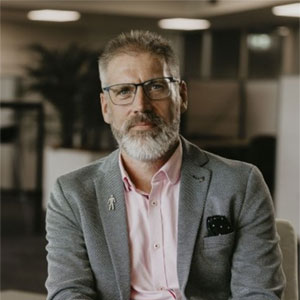
Paul Salmon is a Professor of Human Factors and creator of the Centre for Human Factors and Systems Science at the University of the Sunshine Coast.
Professor Salmon has over 23 years’ experience in applied Human Factors and safety science research. His work has focused on the application of Human Factors and systems thinking to understand and optimise health and wellbeing and performance in areas such as transport, defence, healthcare, workplace safety, sport and outdoor recreation, and public health. Professor Salmon currently leads a program of research in the area of AI safety and his research interests centre on the application of Human Factors to understand and manage the risks associated with AI.
Gemma Read
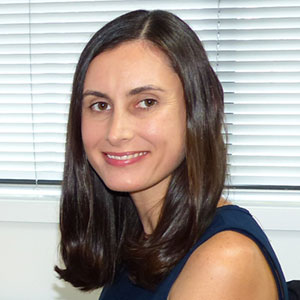
Gemma Read is a Professor of Psychology and the Director of the Centre for Human Factors and Systems Science at the University of the Sunshine Coast (UniSC).
She gained her PhD in Human Factors from Monash University and has over 19 years’ experience applying human factors and systems thinking methods and approaches to optimise safety and performance in complex systems, including transportation, healthcare, defence and construction. She has authored 4 books, over 95 peer reviewed journal articles and has received national and international awards for her research.
Sarah Hilmer

Sarah Hilmer is head of the department of Clinical Pharmacology and a senior staff specialist geriatrician at Royal North Shore Hospital, and Conjoint Professor of Geriatric Pharmacology at The University of Sydney.
Professor Hilmer’s translational research program at the Kolling investigates personalised medicine in ageing and frailty. She collaborates with Human Factors researchers to develop and implement clinical decision support to inform healthcare for older people. Her clinical, research, education and policy work all aim to improve outcomes of medications, focusing on older people and on people in hospital.
Magda Raban
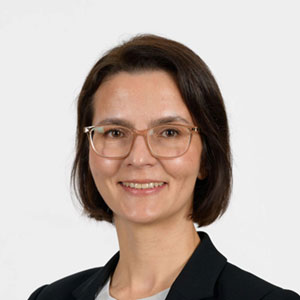
Magda Raban is an Associate Professor at the Australian Institute of Health Innovation, Macquarie University and leads the Medication Safety and Electronic Decision Support research stream within the Institute.
Her research focuses on the use of information technology to improve medication safety, the quality use of medicines and patient outcomes across a range of care settings, including acute and aged care. A/Prof Raban has experience leading multi-method evaluations, including randomised trials of health service interventions. Her unique skills and experience in pharmacy, public health epidemiology and research ensure a strong translational component to her research.
Mirela Prgomet

Mirela Prgomet is a Senior Research Fellow and leads the Diagnostic Informatics research stream at the Centre for Health Systems and Safety Research, Australian Institute of Health Innovation, Macquarie University.
Dr Prgomet’s research focuses on evaluating digital health using a sociotechnical perspective to examine impacts on the efficiency, effectiveness, and safety of clinical work and patient care. Her work demonstrates how digital health can improve clinical work, communication, and patient outcomes, while also highlighting unintended consequences when implementations overlook health care complexity. Dr Prgomet has published 87 research outputs, is Co‑Chair of the International Medical Informatics Association (IMIA) Working Group on Technology Assessment and Quality Development, and is an Associate Editor of the International Journal of Medical Informatics.
Tom Snelling
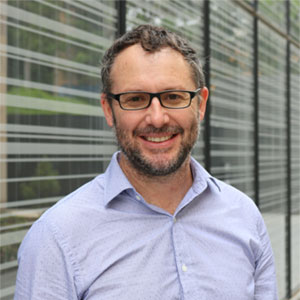
Tom Snelling is a clinical scientist, Director of Health and Clinical Analytics in the School of Public Health at the University of Sydney, and an infectious diseases physician in the Sydney Children’s Hospitals Network.
Professor Snelling has particular interest in vaccine preventable diseases and application of decision theory to research design. He leads a team of researchers aiming to improve healthcare and reduce the burden of infectious disease by implementing learning health systems. He applies Bayesian approaches to the design, implementation, and analysis of public health studies, and is successfully leading a suite of multi-institutional collaborative projects across Australia covering a range of clinical domains. These include improving treatment and prevention of severe gastroenteritis in remote Aboriginal children, primary prevention of food allergies in children, SMS text messages to improve timeliness of routine immunisation, and improving management of cystic fibrosis.
Amina Tariq

Amina Tariq is an Associate Professor at the Queensland University of Technology. She is internationally recognised for her research evaluating the impact of technology on health service delivery.
Her seminal work examining information processes within the Australian residential aged care settings was referenced in the hearings of Royal Commission into Aged Care Quality and Safety to inform discussion around effective use of digital health in the sector. Direct translation of her work resulted in changes to the functionality of the commercial IT systems being used in Uniting NSW, ACT, St. Vincent’s Hospital (NSW) and Metro North Hospital and Health Services (QLD).
Associate Investigators
Clementine Mak

Ms Clementine Mak has a keen interest in digital health initiatives and their potential to improve quality of care and contribute to new models of care.
Caring for older relatives, she has become aware of the increasing needs of the ageing population and the need for new solutions to reduce strain on healthcare resources. With a professional background in enterprise technology, she understands the benefits of digital transformation for efficiency and data-driven decisions, as well as the need for human centred design to optimise the value of digital tools and processes. Ms Mak is a Consumer Advisor on the Consumer Participation Committee for Royal North Shore Hospital, NSW Health/Healthdirect Single Front Door Digital Services Working Group and research projects for digital health self management tools and AI decision support models in acute care.
Ryan Thomas
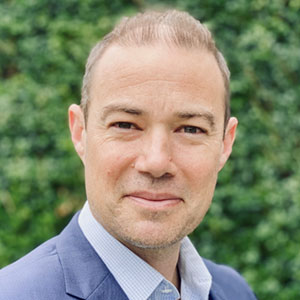
Mr Ryan Thomas is the Clinical Lead for Human Factors in the Patient Safety team at the Clinical Excellence Commission (CEC).
He began his career as a registered nurse at Westmead Hospital in 2003, spending 13 years in the Intensive Care Unit in a range of clinical and leadership roles. He continued his critical care focus by completing his Masters in Critical Care Nursing. In 2016, Ryan commenced in the newly formed role as a Critical Care Clinical Nurse Consultant at Hornsby Hospital before moving into a patient safety work with the CEC in 2020. For the past three years, he has led Human Factors initiatives at the CEC, combining his clinical expertise with a passion for improving systems and processes to enhance safety across NSW Health. He is also Co-Chair of the SDPR Decision Support Specialty Content Group, ensuring human factors principles are embedded in statewide decision support design.
James Grant

Mr James Grant has a career spanning community pharmacy, home medicines reviews, and hospital pharmacy, where he advanced to assistant director overseeing inventory and information systems.
His passion for digital transformation led him to electronic medications management and clinical analytics in Queensland Health; before taking the opportunity to accelerate the implementation of standardised terminology, particularly SNOMED CT-AU, with the Australian National Clinical Terminology Service starting in 2025.
It was in 2015 that James began his deep involvement in digital health, starting as the lead pharmacist for Princess Alexandra Hospital’s electronic medications management project. He actively contributes to national forums and collaborates across disciplines to drive standardisation, knowledge-sharing, and the broader adoption of digital health solutions.
Beyond medications management, James’ expertise has expanded through his clinical analytics roles; covering emergency care, surgery, outpatients, patient flow, and systems interoperability - ensuring data-informed improvements in healthcare.
Ides Wong
Ides Wong is the Director of Strategic Engagement at the Australian Digital Health Agency.
Dr Wong is a social scientist and data scientist with experience across mental health, aging and mobility, and data and digital transformation to support health service delivery. Dr Wong gained her doctorate in developing a decision-making model for older Australians’ transport and health behaviours from the Queensland University of Technology. During her postdoctoral fellowship at the University of Queensland, Dr Wong supported the development of the National Mental Health Service Planning Framework, which was then endorsed by the Australian Health Ministers Advisory Council to be the framework for mental health service standards nationally. Previously, she served as data and reporting lead for the COVID-19 Vaccination Taskforce in Queensland where she helped develop Australia’s first digitally integrated biobank infrastructure to capture COVID-19 vaccine efficacy across the state.
Mel Tinsley
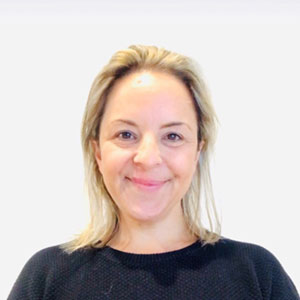
Mel Tinsley is the Associate Director, Integrated Digital Enablement Accelerator portfolio at the NSW Agency for Clinical Innovation.
Ms Tinsley currently leads innovative state-wide approaches to enabling clinical digital health in areas such as Patient Reported Measures, e-enabling Clinical Quality Registries, Virtual Care, and clinical applications – all contributing to the Value Based Healthcare approach.
She has led large scale system change, redesign and implementation across NSW for the past 12 years, prior to this Mel was a Clinical Nurse Consultant, Stroke – she worked in Neurosciences for 12 years is still very passionate about it to this day.
In 2018 she completed her Executive Masters in Public Administration through the Australian New Zealand School of Government (ANZSOG) where her enthusiasm for delivering public value and working across sectors and entities was cemented. Most recently Mel was appointed an Honorary Research Fellow, University Sydney, in recognition of her expertise in the field of Patient Reported Outcome Measures implementation and use.
Robert Lindeman

Professor Robert Lindeman is the Director of Clinical Transformation, NSW Health Pathology.
He is a Senior Staff Specialist Clinical and Laboratory Haematologist at Prince of Wales Hospital with a PhD in molecular genetics. Professor Lindeman is a Fellow of the Royal College of Pathologists of Australasia, the Royal Australasian College of Physicians and is a Conjoint Professor at UNSW. He is on the leadership team of NSW Health Pathology, the largest public pathology provider in Australia and has a specific interest in improving clinical decision support to streamline decision-making and sits on the NSW Health Artificial Intelligence Taskforce. Professor Lindeman also leads service planning initiatives for NSW Health Pathology.
Selvana Awad

Ms Selvana Awad is a registered pharmacist with extensive experience in safety and quality, human factors and digital health.
She is a senior manager in NSW Health working as the Principal Lead for Clinical Safety Management for the Single Digital Patient Record (SDPR) Program which is the largest digital transformation program in NSW. The SDPR Program will result in one statewide system to support consistency and continuity of care across the NSW Health system. Ms Awad has a number of publications related to human factors and usability in the digital health context, and is completing her PhD in digital health human factors with the University of Sydney, focussing on applying human factors and safety analysis methods to support the safe and usable design of electronic medication management systems.
Kirstine Sketcher-Baker

Kirstine Sketcher-Baker has worked in patient safety and quality for 20 years, holding the Executive Director, Patient Safety and Quality role for over 10 years, successfully leading state-wide initiatives focused on reducing patient harm and unwarranted variation in patient outcomes and enhancing consumer experience.
Ms Sketcher-Baker has a special interest in AI, oversighting her Branch’s activities in progressing prospective validation testing of the Queensland Sepsis Algorithm, supporting the development and evaluation of AI algorithms to improve early recognition and escalation of deterioration, and using AI to transform qualitative data into meaningful information to instigate improvement. Nationally, Ms Sketcher-Baker has contributed to the safety and quality agenda through chairing the Inter-Jurisdictional Committee during 2019 to 2022, participating in various Commonwealth working groups, and collaborating with jurisdictional leads and national entities on specific patient safety and quality initiatives.
Postdoctoral Fellows
Bethany Van Dort
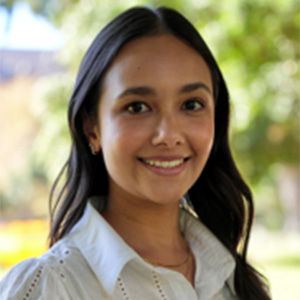
Bethany Van Dort is a research fellow in the Digital Health Human Factors Group at the University of Sydney.
Her research uses mixed-methods approaches to understand how digital technologies influence clinician workflow, decision-making, and patient safety. Bethany completed her PhD at the University of Sydney, focusing on antimicrobial stewardship in hospitals and the interplay between technology, people, and organisations. Following this, she undertook postdoctoral research at Amsterdam University Medical Centre focused on human-centred explainable AI. Her research aims to generate practical, evidence-based insights that inform system design, implementation and evaluation.
Magali Goirand
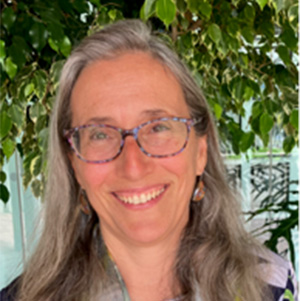
Dr Magali Goirand is an early career researcher in the Human Factors and Resilience stream at the Australian Institute of Health Innovation, Macquarie University.
She is a systems thinking practitioner and qualitative researcher. Her PhD focused on the implementation of ethics in medical AI. She has a multidisciplinary background including engineering, and previously worked in the high-tech industry for over 20 years.
Yue Wu

Dr Yue Wu is a Senior Research Fellow, medical mathematician, and analytic lead of the Learning Health Initiative Programme in the University of Sydney and Sydney Children’s Hospitals Network.
Having worked with diverse health stakeholders over a decade to develop and implement explainable AI and broader analytic-based decision-support tools, Yue brings a holistic understanding of how AI works to simulate disease processes, and how they interact with clinical pathways and data engineering processes. She current leads MRFF-funded interdisciplinary collaborations to bridge critical implementation gaps, advancing methods for transporting and governing AI models, communicating predictions and uncertainty, and measuring clinical impact.
Zohre Abedi
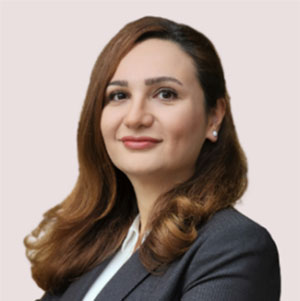
Dr Zohre Abedi is a Research Fellow at the Centre for Human Factors and Systems Science at the University of the Sunshine Coast (UniSC).
She is a Human Factors and Ergonomics researcher and Certified Professional Ergonomist (CPE) whose research focuses on applying systems thinking and human-centred approaches to improve the safety and implementation of complex technologies in healthcare and transport. She completed her PhD at the University of Queensland, investigating the factors influencing return to work following road traffic injuries. Her current research spans Human Factors Integration, digital health, artificial intelligence, and safety in complex sociotechnical systems. Zohre collaborates with researchers, industry, government, and healthcare organisations to develop practical, evidence-based frameworks and tools that improve safety and system performance.
PhD Students
Marea O’Donnell
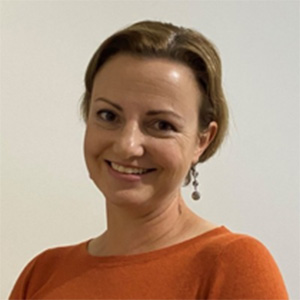
Marea is an experienced Aged Care Clinical Pharmacist with a strong background in medication reviews, and health systems research.
She has experience managing national teams, driving quality use of medicines initiatives and delivering quality improvement programs for medication reviews. Her ability to synthesize complex healthcare data and translate findings into practical applications has been instrumental in contributing to impactful research. Marea is skilled in stakeholder engagement, from driving meaningful consumer partnerships to fostering strong working relationships with aged care providers and health care professionals. Marea is passionate about using these skills to improve medication management for older people in Australia.